Dental Care
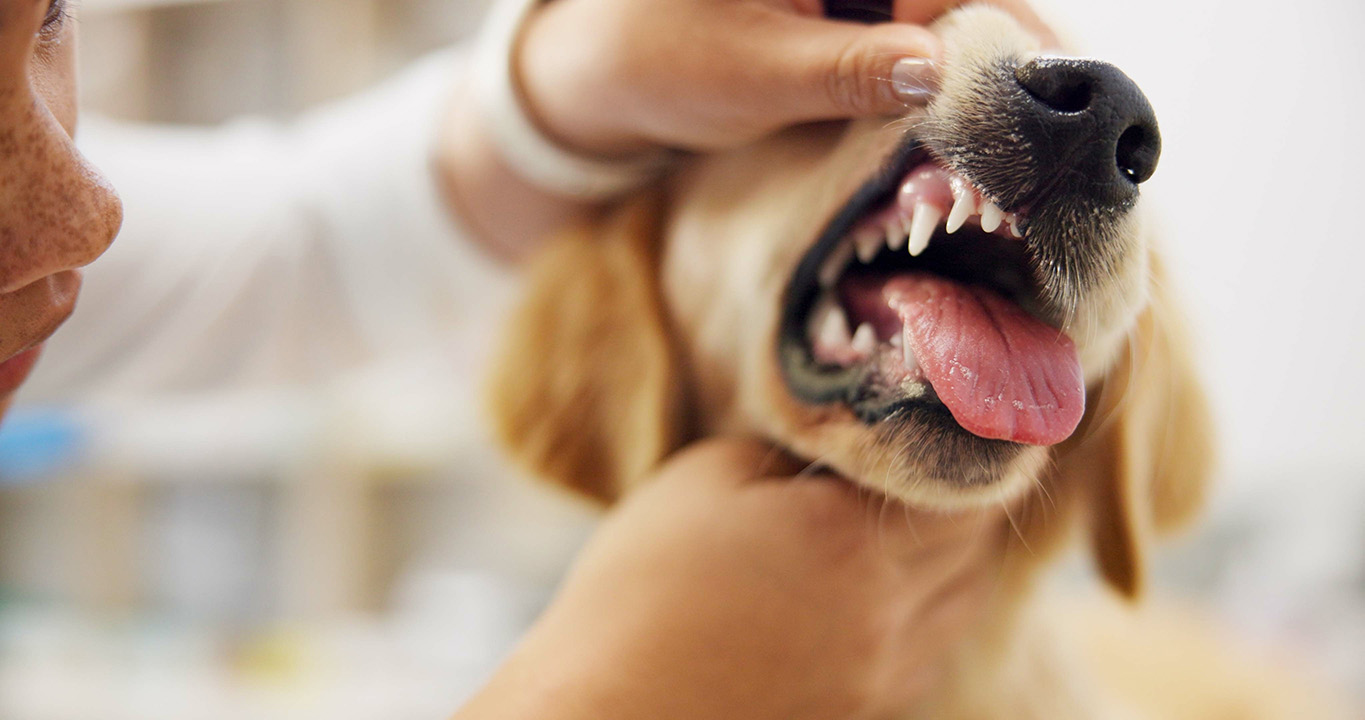
Many pet owners question the need for dental care for their companion animals. The purpose of veterinary dental exams and cleanings is to prevent and, when necessary, treat periodontal disease. Periodontal disease is one of the most common medical conditions found in companion animal medicine. In fact, more than two-thirds of all dogs and cats over the age of 3 have some degree of dental disease. Untreated periodontal disease will continue to worsen causing your pet pain, discomfort, loss of teeth, and further possible serious health issues.
Sylacauga Veterinary Hospital provides pet dental services including dental exams, scaling, cleaning and polishing, and tooth extractions to pets in Sylacauga, Oak Grove, Talladega, Alexander City, Childersburg, and everywhere in between. We recommend regular dental checkups and cleanings at least every 1 to 2 years in most cases. We also promote regular between-visit brushing and oral hygiene chews.
FAQs
Why is dental care important for my pet?
- Periodontal disease (disease of the structures around the teeth such as the gums, bone, and connective tissue) is one of the most common problems that we deal with on a daily basis.
- Periodontal infections, tooth fractures, and oral masses can be sources of serious discomfort for your pet.
- Untreated periodontal infections can cause damage to major organs of the body including the heart, liver, and kidneys.
- Proper veterinary dental care can help prevent your pet from developing painful dental conditions, and can extend their life expectancy as well.
What are signs that my pet is having dental issues?
- Abnormal chewing, drooling, or dropping food from the mouth
- Bad breath
- Bleeding from the mouth
- Broken or loose teeth
- Gum recession and/or gum swelling
- Pain in or around the mouth
- Pawing at the face or mouth
- Reduced appetite or refusal to eat
- Swelling of the face
- Teeth that are discolored or covered in tartar
- Weight loss
What happens during a dental examination/cleaning?
- While your pet is awake, we will assess the alignment of your pet’s upper and lower teeth, pain response, and swellings.
- While under anesthesia, we look for fractured teeth, worn areas of enamel, retained baby teeth, plaque, tartar, inflammation of the gums (gingivitis), abnormal growths or masses, tooth discoloration, and infected teeth.
- Scaling involves removing all of the hardened dental plaque or tartar that has accumulated on the teeth and along the gumline.
- Subgingival cleaning requires the animal to be under general anesthesia. This procedure removes the debris and buildup from under the gumline to stop progression of periodontal disease; it is the most important part of the dental cleaning.
- Extractions require a local nerve block for pain management. This block lasts for 4-6 post extraction. Extraction sites are closed with dissolvable sutures.
- Polishing the surface of the crown of the teeth removes scratches and imperfections caused by the scaling. A smooth tooth surface will slow down the buildup of plaque.
How often does my pet’s teeth need to be professionally cleaned?
- At Sylacauga Veterinary Hospital, we recommend initiating routine dental cleanings and exams when pets are young to prevent the development of periodontal disease. Routine checkups and cleanings should be repeated every 1 to 2 years.
Why does my pet need to be anesthetized for a dental cleaning?
- Anesthesia ensures your pet will be still, relaxed, comfortable, and free from anxiety during the procedure.
- Anesthesia during a dental exam and cleaning allows for a thorough cleaning below the gumline where a significant amount of plaque and tartar accumulate.
What types of pet dental hygiene should I do at home?
- We recommend brushing between dental visits and supplying your pet with oral hygiene chews.